
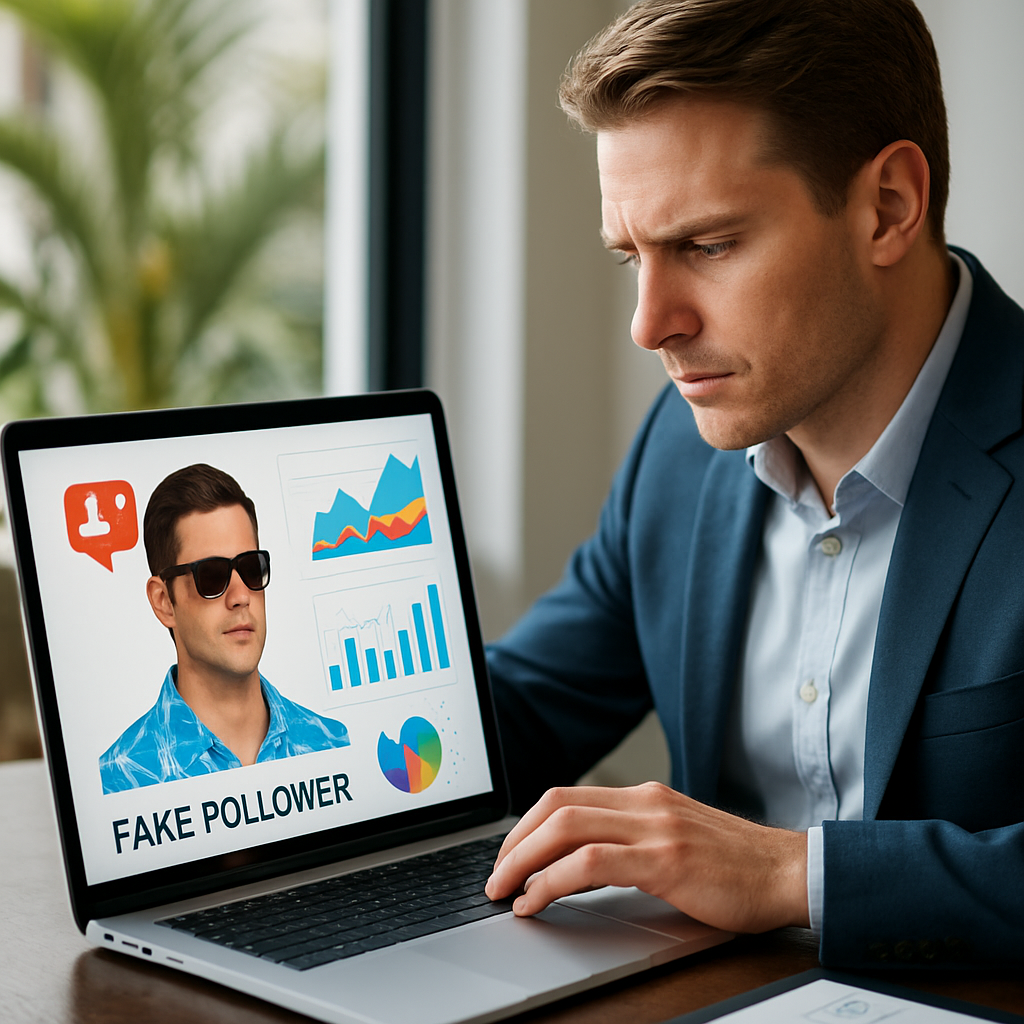
Introduction to Miami Fake Followers
In recent years, the phenomenon of social media influence has surged, leading to a corresponding rise in the acquisition of Miami Fake Followers. This term refers to the practice of purchasing followers from dubious sources, often resulting in inflated numbers that lack genuine engagement. While it may seem tempting for brands and influencers looking to enhance their online presence, the implications of utilising Miami Fake Followers can be far-reaching and detrimental.
The allure of a large follower count is undeniable; it can create an illusion of credibility and popularity. However, the reality is that these Miami Fake Followers do not contribute to meaningful interactions or the growth of a loyal audience. Instead, they can potentially tarnish a brand’s reputation, as savvy consumers are increasingly able to discern between authentic and artificial engagement.
Moreover, platforms such as Instagram and Twitter have become more astute in detecting such practices, often penalising accounts that rely on Miami Fake Followers through reduced visibility or outright bans. The long-term risks significantly outweigh the short-term benefits, making it essential for brands and individuals to focus on building an organic following.
In conclusion, while the temptation of Miami Fake Followers might seem appealing, the pursuit of authentic engagement and relationships should be prioritised. As the digital landscape continues to evolve, fostering a genuine connection with an audience will ultimately yield the most sustainable results in the world of social media marketing.
Understanding the Impact of Fake Followers
The prevalence of artificial engagement on social media has raised significant concerns, particularly regarding the ramifications of Miami Fake Follower phenomena. Brands and influencers often seek to enhance their online presence, but the allure of inflated follower counts can lead to a detrimental reliance on these inauthentic profiles. This practice not only skews visibility metrics but can also severely undermine the credibility of genuine engagement.
As organisations continue to invest in social media strategies, understanding the implications of Miami Fake Follower counts is imperative. These fake accounts may initially appear appealing, presenting an illusion of popularity and influence. However, their presence dilutes real interactions, thereby reducing the quality of engagement metrics that are pivotal for success. When brands rely heavily on these inflated figures, they risk alienating their authentically engaged audience, who may find the disparity between follower count and actual interaction disheartening.
Furthermore, platforms are increasingly tightening regulations against fake followers, making it more crucial for brands to acknowledge the risks associated with such practices. Relying on Miami Fake Follower numbers can lead to wasted marketing budgets and ineffective campaigns. The need for authenticity in social media marketing has never been more critical, as genuine connections foster trust and long-term loyalty among consumers.
To mitigate the risks associated with Miami Fake Follower accounts, businesses should focus on organic growth strategies and invest in quality content that resonates with their target audience. For more insights on building an authentic online presence, consider exploring resources available at this link. By prioritising authenticity over artificial metrics, brands can cultivate a more engaged and loyal follower base.
The Importance of Data Analytics in Social Media
In today’s digital age, the role of data analytics in social media strategies cannot be overstated. Businesses are increasingly recognising the power of insightful data to refine their marketing efforts and foster meaningful engagement with their target audience. A particularly pressing concern is the prevalence of Miami Fake Follower, which can skew analytics and mislead brands in their decision-making processes. By leveraging data analytics, organisations can identify and eliminate these fraudulent accounts, ensuring that their metrics reflect genuine audience interaction.
Understanding audience demographics, engagement patterns, and content performance is crucial. For instance, data analytics tools can reveal the impact of Miami Fake Follower on overall engagement rates, enabling brands to adjust their strategies accordingly. This allows companies not only to enhance their visibility but also to build authentic relationships with real followers.
Furthermore, data-driven insights can guide content creation, suggesting which posts resonate most with genuine users. Brands that ignore the influence of Miami Fake Follower risk misallocating resources and missing out on opportunities for real growth. By employing robust analytics, businesses can monitor their social media health, benchmarking against industry standards and competitors.
In conclusion, the integration of data analytics is vital for brands aiming to navigate the complexities of social media effectively. Addressing the issue of Miami Fake Follower with a data-driven approach not only strengthens credibility but also optimises marketing efforts for improved ROI, ultimately fostering a more engaged and authentic online community.
What is Advanced Data Analytics?
In today’s data-driven landscape, the capacity to extract valuable insights from vast quantities of information has become indispensable for businesses seeking a competitive edge. Advanced data analytics encompasses a suite of sophisticated techniques, such as machine learning, predictive modelling, and statistical analysis, which enable organisations to make more informed decisions based on empirical evidence rather than intuition alone. By leveraging these methodologies, firms can identify patterns and trends that might otherwise remain hidden.
A particularly pressing issue for many brands, especially in the realm of social media marketing, is the prevalence of Miami Fake Follower accounts. These artificial profiles can skew engagement metrics and mislead businesses about their audience’s genuine interests. Advanced data analytics can help to discern between authentic and fraudulent interactions, allowing brands to refine their strategies effectively. For instance, by analysing engagement data, companies can uncover anomalies indicative of Miami Fake Follower activity, enabling them to take corrective measures to protect their online reputation.
Moreover, the application of techniques such as sentiment analysis provides deeper insights into customer perceptions, allowing for tailored marketing campaigns that resonate with real users. By integrating advanced data analytics into their operational frameworks, businesses not only safeguard against the detrimental effects of Miami Fake Follower accounts but also enhance their overall marketing efficacy. For those looking to delve deeper into these concepts, resources like this informative video offer valuable guidance on navigating the complexities of modern data analytics.
Tools for Data Analysis in Identifying Fake Followers
In today’s digital landscape, the prevalence of fake followers poses a significant challenge for brands and influencers alike. A robust approach to identifying these inauthentic accounts is essential, especially in a competitive environment such as Miami, where social media presence can greatly influence marketability. Tools designed for data analysis are invaluable in this endeavour, offering in-depth insights that can help discern genuine engagement from superficial interactions.
Metrics such as engagement rates, follower growth patterns, and account activity levels can provide critical indicators of a Miami Fake Follower. For instance, tools that analyse the ratio of followers to engagement can highlight discrepancies that often signal fraudulent accounts. Furthermore, advanced algorithms can evaluate the authenticity of followers by examining their historical activity, including likes and comments, leading to a clearer understanding of whether an account is a Miami Fake Follower.
Additionally, machine learning models can be utilised to detect patterns that are typically associated with bots or purchased followers, thus enhancing the accuracy of the analysis. By employing these sophisticated tools, marketers can make informed decisions about their campaigns and collaborations without the risk of associating with unreliable accounts. Ultimately, the integration of effective data analysis tools is paramount in the fight against Miami Fake Followers, ensuring that brands maintain their credibility and foster genuine relationships with their audience.
Refining Miami Fake Follower Strategies
In the dynamic realm of social media, businesses in Miami must navigate the murky waters of follower authenticity. The proliferation of Miami Fake Follower strategies poses a significant challenge to brands aiming to cultivate genuine engagement. As organisations strive to enhance their online presence, understanding the implications of artificial follower acquisition becomes crucial.
Employing a strategy that incorporates Miami Fake Follower techniques may yield short-term numerical boosts; however, the long-term repercussions can be detrimental. Brands risk damaging their reputation as consumers increasingly favour authenticity over superficial growth. Therefore, a refined approach is essential.
To combat the allure of artificial follower systems, businesses should focus on organic growth strategies that foster true engagement. This includes leveraging analytics to identify target demographics more accurately and crafting content that resonates with these audiences. By prioritising quality over quantity, brands can circumvent the pitfalls associated with Miami Fake Follower tactics and instead build a loyal community of followers who genuinely appreciate their message.
Moreover, investing in influencer partnerships and collaborations can exponentially increase brand visibility without resorting to dubious follower strategies. Authentic influencers can introduce brands to new audiences, enhancing credibility while steering clear of Miami Fake Follower trends.
Ultimately, the key to sustainable success lies in a commitment to authenticity. By shunning the quick fixes of Miami Fake Follower methods, businesses can cultivate a robust and engaged audience, ensuring longevity in the competitive Miami market.

Case Study: Successful Analytics Applications
In the competitive landscape of social media marketing, the effective application of analytics has proven to be a differentiator for many brands. A recent case study highlights how a leading digital marketing agency harnessed the power of data to tackle the pervasive issue of Miami Fake Follower accounts. By leveraging advanced analytics tools, the agency identified patterns in follower behaviours that were indicative of inauthentic engagement.
The first step involved a comprehensive audit of their clients’ social media profiles, revealing a substantial presence of Miami Fake Follower accounts. This unjustified inflation of follower numbers not only skewed engagement metrics but also jeopardised the brands’ reputations. Consequently, the agency implemented a targeted analytics framework to quantify the impact of these accounts. Through sentiment analysis and engagement tracking, they generated actionable insights that informed more strategic content creation and audience targeting.
Moreover, the agency devised a bespoke algorithm to identify and filter out Miami Fake Follower accounts in real-time. This innovative application of analytics not only enhanced the authenticity of the followers but significantly improved overall engagement rates. As a result, clients experienced a notable increase in organic reach and a more engaged audience.
The implications of this case study are profound, emphasising the necessity of robust analytics in social media strategies. It serves as a reminder that to thrive in an era rife with Miami Fake Follower challenges, brands must leverage data-driven insights to cultivate genuine audience relationships and foster sustainable growth.
Ethical Considerations in Managing Followers
In today’s digital landscape, the ethical implications of managing followers are more pronounced than ever. The rise of social media has transformed how brands engage with their audiences, yet it has also given rise to practices that can compromise authenticity. Chief among these concerns is the prevalence of Miami Fake Followers, which threatens not only the integrity of individual brands but also the broader trust within online communities. The allure of rapidly increasing follower counts can lead some practitioners to consider using Miami Fake Followers to bolster their perceived popularity. However, this practice raises significant ethical questions surrounding transparency and honesty.
Addressing these concerns requires a commitment to ethical leadership. It is essential for professionals to recognise that engaging with Miami Fake Followers ultimately undermines genuine connections with true followers. When brands prioritise numbers over relationships, they risk alienating their audience, who may feel deceived upon discovering the truth. Ethical considerations should also encompass the responsibility of social media platforms in curbing the proliferation of Miami Fake Followers, as their existence distorts engagement metrics and misguides marketing strategies.
Furthermore, it is crucial for brands to adopt responsible practices that enhance their credibility. This includes focusing on authentic engagement and fostering a community based on real connections. By consciously avoiding the lure of Miami Fake Followers, marketers can cultivate a more trustworthy online presence. Ultimately, ethical management of followers not only serves individual brands but contributes to a healthier, more transparent digital ecosystem, fostering trust and credibility in an increasingly sceptical audience.
Future Trends in Fake Follower Detection
As the digital landscape evolves, the methods for detecting inauthentic engagement continue to advance remarkably. The rise of social media influencers has led to a troubling surge in Miami Fake Follower schemes, compelling brands and marketers to adopt sophisticated strategies to safeguard their online reputations. Future trends in detection are likely to focus on leveraging artificial intelligence and machine learning algorithms. These technologies can analyse patterns of interaction that are often indicative of fake accounts, significantly enhancing the accuracy of identification.
Furthermore, social media platforms are increasingly implementing their own verification systems to counteract the prevalence of Miami Fake Follower accounts. By integrating more stringent audit processes, platforms aim to provide users with a more authentic experience. This trend is likely to encourage third-party tools that offer advanced metrics and insights, further reinforcing the battle against fake followers.
Another emerging trend is the emphasis on transparency within influencer marketing. Brands are now more inclined to disclose their relationships with influencers, fostering a more genuine environment. As marketers become more educated about the implications of Miami Fake Follower counts, they will demand higher accountability from influencers, leading to a shift in collaboration dynamics.
Lastly, analysing engagement quality over quantity will become paramount. Instead of focusing solely on follower counts, there will be a push towards understanding the authenticity of interactions. This shift will aid brands in identifying genuine influence, thus reducing the impact of Miami Fake Follower accounts on their campaigns. By remaining vigilant and adapting to these trends, industry professionals can ensure they stay ahead in the ongoing battle against digital deceit.
AI and Machine Learning in Analytics
In the rapidly evolving landscape of data analytics, the integration of advanced technologies such as AI and machine learning is revolutionising how businesses interpret and leverage data. This transformation not only enhances the accuracy of insights but also allows for the streamlined identification of trends and anomalies within datasets. One notable application in this domain is the detection of artificial manipulation in social media metrics, particularly concerning issues such as Miami Fake Follower phenomena.
Through sophisticated algorithms, machine learning models can scrutinise follower behaviours and engagement patterns, distinguishing genuine interactions from those artificially inflated by Miami Fake Follower practices. By employing AI methodologies, organisations can develop a more nuanced understanding of their audience, ensuring marketing strategies are not only targeted but also based on authentic data representations.
Moreover, utilising these technologies can significantly improve predictive analytics, allowing firms to forecast consumer behaviour with greater precision. With the ability to process vast amounts of data rapidly, AI enables businesses to respond to market changes and consumer preferences proactively. This agility is critical in today’s competitive environment, where the authenticity of social media engagement can directly impact brand reputation and trust.
As companies continue to navigate the complexities of digital marketing, the imperative to address concerns surrounding Miami Fake Follower activities becomes increasingly pronounced. By harnessing AI and machine learning, businesses can fortify their analytics frameworks, enhancing both the credibility of their data and the effectiveness of their strategic initiatives.
Conclusion: Leveraging Data for Authentic Growth
In the contemporary digital landscape, the significance of data cannot be understated, especially when it comes to ensuring authentic growth. Businesses must navigate the treacherous waters of social media, where the prevalence of Miami Fake Follower accounts can distort the true picture of engagement and influence. By leveraging accurate analytics, organisations can discern genuine followers from transient ones, thereby cultivating a more meaningful audience.
To achieve sustainable success, one must focus on building an authentic community rather than succumbing to the allure of inflated numbers. The temptation to buy into the Miami Fake Follower culture can be strong, offering instant gratification in terms of perceived reach. However, such strategies often lead to a hollow presence, failing to convert likes and follows into real business outcomes. Instead, a commitment to fostering authentic connections through quality content and engagement can yield greater dividends in the long run.
Utilising data effectively involves not only tracking follower counts but also assessing engagement rates and audience demographics. This comprehensive approach ensures that brands can tailor their strategies to align with the interests and behaviours of their true audience, sidestepping the pitfalls of the Miami Fake Follower phenomenon. Implementing tools that analyse these metrics will empower businesses to make informed decisions that resonate with their target market genuinely.
Ultimately, the path to authentic growth lies in a data-driven strategy that prioritises real relationships over superficial metrics. By doing so, companies can not only enhance their reputation but also secure a loyal customer base that drives long-term success, ensuring that the shadow of Miami Fake Follower accounts does not hinder their journey.